|
WICKS TO FIT THE HEATERS LISTED BELOW - AND MORE!
Unique Specialty wicks
|
World's Largest Selection of Wicks! CARE AND MAINTENANCE OF KEROSENE HEATER WICKS When should a kerosene heater wick be replaced?
If the wick has not been "burned dry" and the tar on the wick becomes too thick, the wick can tear when retracted to turn off the stove, and the wick must be replaced.
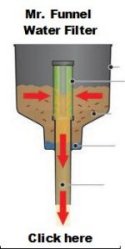
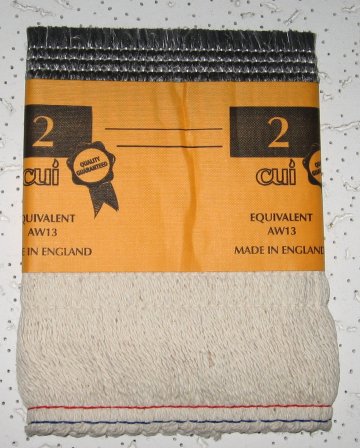
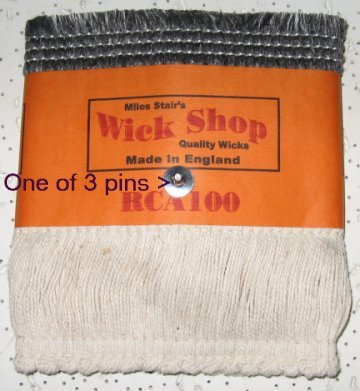
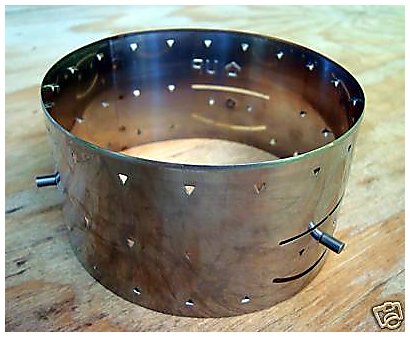
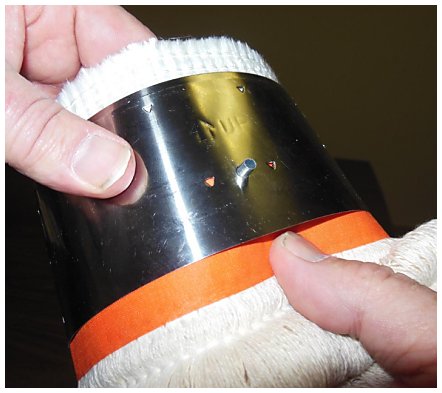
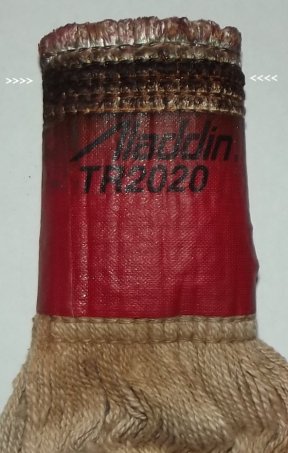
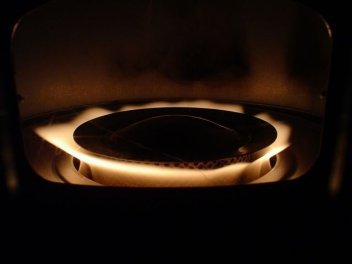
BURNING THE WICK "DRY" [Note: All-Cotton wicks such as the Perfection 500 and Aladdin Blue Flame wicks cannot be burned dry - the wick itself will burn and turn to ash.] "Burning dry" fiberglass kerosene heater wicks is important to their efficiency. If the wick does not raise and lower smoothly, it is time to burn it dry. It is best to visually examine the wick after every use: if you see tar balls on top of the wick it is time to burn dry. After the stove has cooled down, remove the catalytic converter, raise the wick and gently crush the top of the wick with smooth faced paddle bladed pliers. My favorite pliers for this use is the Ace Hardware "Flat Nose Pliers" #ACE2004216. The wick should then retract. Reassemble the heater and remove all fuel. With a convection heater that means siphoning out the fuel. A side-tank radiant can simply have the tank removed. Replace the catalytic burner unit. Raise the wick to maximum height. Light the wick and make sure the catalytic converter burner unit is in place. Let it burn completely out. First the fuel in the wick burns, then the tar, and in an hour or so the wick is again in pristine condition. Because this process will produce some odor, it should be done outside or under cover (garage with the door open, etc), with no wind, as a strong draft can blow out the weak flames burning tar deposits in the final 10 minutes of the dry burn. After a good dry burn the heater How long does it take to burn the wick "dry"? That depends entirely upon the heater design. Convection heaters must have their fuel tanks siphoned empty, so they usually take less than an hour to dry burn the wick. Most radiant heaters have a side fuel tank which can be removed - but you cannot empty the sump under the wick. A Corona SX-2E will burn the wick dry in a little over an hour, as will the Heat Mate HMHR 1101. The Toyotomi RCA-87 has a huge sump, and can still be burning "dry" after 3 hours! Toyotomi solved that problem with the Radiant 40; it has a very shallow sump and burns dry within an hour...but the shallow sump can easily spill fuel when the heater is moved, so do not tip it when carrying! How often to "burn dry" a wick? There are a lot of factors involved here. A new or nearly new wick burning "water clear" 1-K kerosene should use at least 30 gallons of fuel before needing to be "burned dry." When using red dye kerosene, some lots of the fuel the wick will not need to have the wick burned dry for up to 15 gallons of kerosene consumed, while other batches of red dye kerosene are bad enough to require burning the wick dry after every 10 gallons of kerosene. The red dye can cover up a lot of sins. Make sure you lower the wick after burning dry. If the wick is "up" after dry burning and you refuel and leave it up, then fuel can "wick" into the catalytic converter and cause excessive smoking during startup. If your heater lights properly, then the flame dwindles and goes out, there are usually two causes to explore. The primary cause is water in the wick or contaminated fuel. While sitting unused, the wick can absorb enough fuel to light and burn for up to 20 minutes or so, then the capillary action is insufficient to sustain the burn. This is covered below. The second possibility of dwindling can be a carbon or tar deposit down an inch or so from the top of the wick - an obvious black ring around the wick. This is caused by burning the heater with the catalytic converter not properly seated, so air is admitted at exactly the wrong place, or by having the wick set too high (pinless wicks). If the wick is not a rigid type*, remove the wick, place a 2 x 4 through the wick, then using a rubber mallet, gently pound on the ring to break up the carbon deposit within the wick. Do not strike anywhere near pins or clips, of course, or they may be damaged. A carbon deposit that low on the wick will not burn dry! (See photo above) The wick will work, poorly, until you can obtain a new replacement wick. A rigid wick* cannot be even temporarily fixed in this way and must be replaced for the heater to again work properly. *[Most kerosene heater users are familiar with a flexible wick that can be folded or flattened, as in the illustration above. There are, however, wicks which are rigid, hard and round, and come in a box. The most common of the rigid wicks are #15, 16, 20 (& A, B), 34, 35, 36, 37, 37A, 38, 38A, etc.. [Wick #500 is all cotton, in a metal carrier, cannot be burned dry and must be replaced.] Remember that the capillary action of wicks is virtually destroyed by water...cotton in particular will absorb water, then the lighter kerosene is denied a capillary "path" to the top of the wick. Performance (clean, odor free heat output) is seriously degraded by even a little water in the kerosene. If you find yourself with only cloudy kerosene and no alternative fuel available, the kerosene can be slowly filtered through a chamois cloth in a large funnel. Wring out the chamois and repeat until the fuel is clear. Or if you're high tech, funnels which filter out water are readily available. Due to the high degree of combustion efficiency with kerosene heaters, it is not necessary to add any scents to the kerosene -- why add an aroma when none is present? (That does not hold true for cheap flat wick kerosene lamps, as they do not have a combustor unit and thus are relatively inefficient.) IF A WICK WILL NOT LIGHT OR STAY LIGHTED The usual problem with a
wick not lighting is that it has absorbed water from
the fuel. A kerosene heater stored over the summer with
fuel in the tank, even a little fuel, can induce
condensation. As little as a teaspoon of water absorbed
by the lower cotton portion of the wick will inhibit
the capillary action of the cotton fibers and result in
a wick which will not light simply because fuel is not
available to the fiberglass fibers on top of the
wick. See
water in the kerosene.
To find a wick for a common brand name heater, use the alphabetical list. To find a wick for a really odd or rare kerosene heater, perhaps with a peculiar brand name, you will have to measure the existing wick diameter and length, following the directions I have provided, then e-mail me with the measurements. I can almost always find a wick that will fit precisely.
Back to top of page
|
Home Page Click Here Heater Information below Lamp Wicks: Center Draft Wicks - Wicks available only from this Wick Shop. Aladdin Lamp Wicks & parts Lamp Chimneys:
Center Draft Lamp
chimneys Fabulous "Sans Rival" borosilicate chimney for 14''' Kosmos lamps Student Lamp Sans Rival Chimney with 1 7/8" fitter!!! Information on lamps:
Center Draft Kerosene Lamps
Photos of restored center draft lamps Care, Feeding and Restoration of Center Draft Lamps (and wick installation for many) Center Draft Lamp manufacturers and brand names Lamp Chimneys - Dimension of nominal base diameter by make, model and "line". Early American Metal Font & Specialty Lamps Aladdin Lamp Wicks & Chimneys, Aladdin - Exploded burner views Kosmos-Brenner lamps and wicks Flame Spreaders and "Smoke Consumers" from Alex Marrack
Articles by Alex Marrack: Site Index for all things Perfection Kindler Wicking For Oil Stoves & Ranges Kerosene Heaters Alphabetical list of most kerosene heaters and the proper wick, & cart checkout. List by wick number and the heaters that fit them. (A helpful guide for buying on eBay) Measurements needed if you have an unlisted heater. Care and Maintenance of Kerosene Heater Wicks Installing Kerosene Heater Wicks - generic for unpinned wicks Owner's_Manuals & information for many kerosene heaters Kerosene Heaters - General types, how they work, recommendations for some good ones - and those I would avoid. Economic Benefits of Kerosene Heaters Troubleshooting kerosene heater common problems Breaking In New Kerosene Appliances Burning Kerosene Heaters at Night WATER IN KEROSENE causing "dwindling" and poor performance.
Flame Spreader Heaters
and Lamps -
Kerosene Heater Carts
- Kerosene tank cradles (photo) Building a Cradle KEROSENE HEATERS MADE IN THE NETHERLANDS Beatrice Boiling Stoves & Mini kerosene heaters you can make Sad Iron stoves; Wicks & Installation instructions Wicking For Oil Burning "WICKLESS" Stoves & Ranges Kerosene Stoves, Lanterns and Ovens
Recommendations on different models
| ||||||||||||||